Ancestral Healing Practices: Reconnecting with Lineage, Memory, and Inner Wisdom
- Giselle Bonilla
- Apr 3
- 3 min read

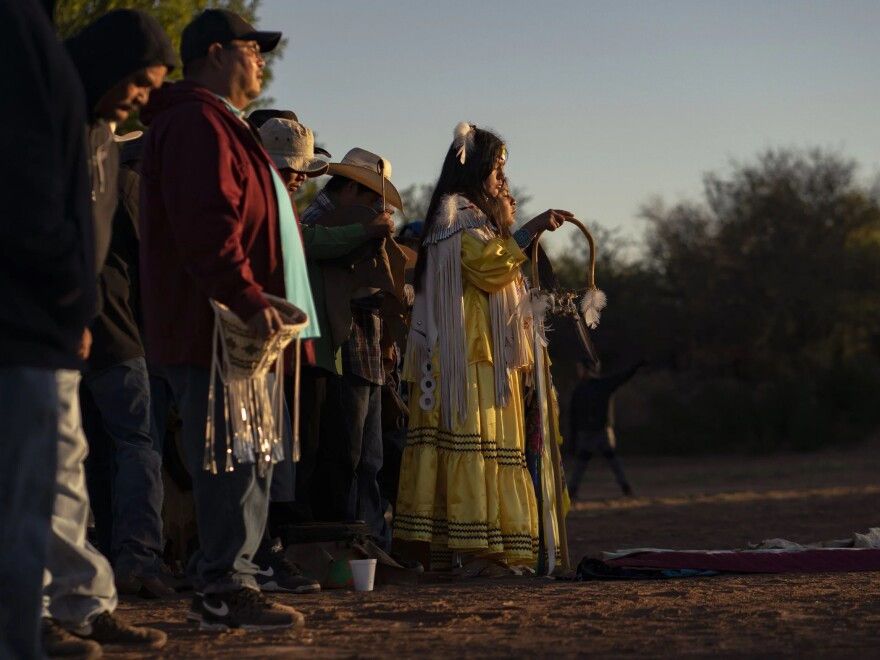
Ancestral healing is the sacred act of remembering.
It is the process of reconnecting with those who came before us — not only through stories and history, but through the body, the spirit, and the patterns we carry. Our ancestors live within us through genetics, culture, memory, and lived experience.
From a holistic perspective, ancestral healing is not about dwelling in the past. It is about bringing awareness to inherited patterns, honoring resilience, and consciously choosing what continues forward.
We are not separate from our lineage.We are an extension of it.
What Is Ancestral Healing?
Ancestral healing acknowledges that experiences — both supportive and traumatic — can be passed down across generations.
Modern research in epigenetics suggests that stress, trauma, and environmental influences can impact gene expression across generations. In many spiritual traditions, this understanding has long existed in different forms: the idea that emotional, energetic, and behavioral patterns are inherited.
Ancestral healing invites us to ask:
What have I inherited — consciously or unconsciously?
What patterns am I repeating?
What strengths and wisdom live within my lineage?
It is both a process of release and reclamation.
Signs You May Be Called to Ancestral Healing
You may feel drawn to this work if you notice:
Repeating family patterns (relationships, scarcity, emotional responses)
Unexplained fears or emotional responses
A sense of disconnection from identity or roots
Curiosity about your lineage and cultural history
A desire to break cycles for future generations
This work is not about blame.It is about awareness and transformation.
Holistic Ancestral Healing Practices
There are many ways to engage in ancestral healing. These practices can be adapted based on your cultural background, beliefs, and personal comfort.
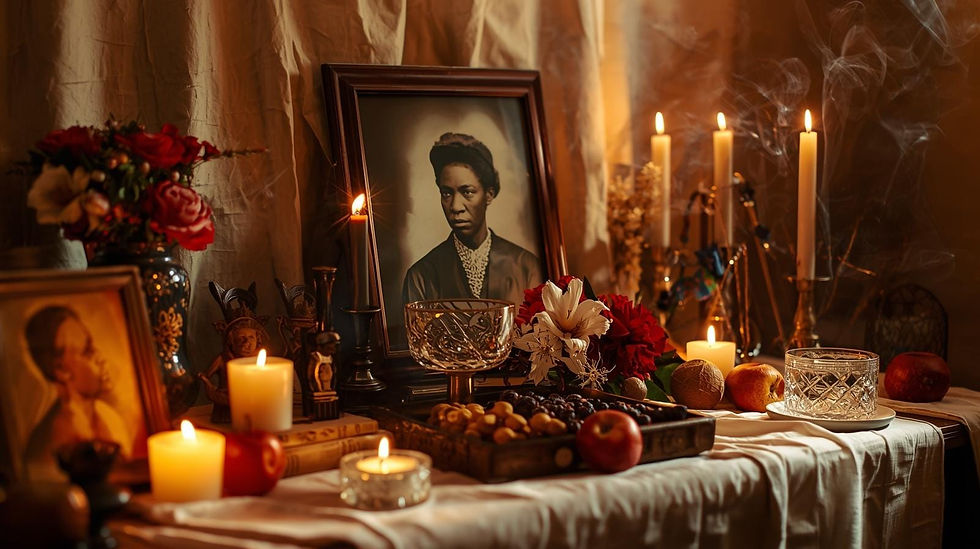
1. Creating an Ancestral Altar
An altar is a dedicated space to honor your lineage.
You may include:
Photos of loved ones
Candles
Flowers
Personal or cultural symbols
Offerings (food, water, herbs)
Practice:
Light a candle and sit quietly.
Speak to your ancestors — aloud or silently.
Offer gratitude for the life that came through them to you.
This creates a tangible connection between past and present.
2. Storytelling and Remembering
Healing often begins with remembering.
Ask family members about their stories
Learn about your cultural traditions
Explore your ancestry through research
Understanding context can bring compassion to patterns that once felt confusing.
3. Identifying and Releasing Patterns
Ancestral healing includes recognizing inherited cycles.
This may involve:
Emotional patterns (suppression, anxiety, anger)
Relationship dynamics
Beliefs around money, worth, or safety
Practice:
Journal about patterns you notice
Reflect on where they may have originated
Consciously choose new ways of responding
Awareness is the first step toward change.
4. Embodied Healing Practices
The body holds memory.
Practices that support release and integration include:
Breathwork
Movement (yoga, dance, somatic practices)
Time in nature
Therapy or trauma-informed care
These approaches help process what may not be accessible through the mind alone.
5. Honoring Ancestral Strength
Ancestral healing is not only about trauma.
It is also about recognizing:
Resilience
Survival
Creativity
Wisdom
Love
You carry not only wounds — but also strength.
Practice:
Reflect on the qualities that allowed your ancestors to endure
Acknowledge what lives within you today
6. Rituals of Release and Intention
Ritual can support emotional and symbolic closure.
Examples include:
Writing down patterns you wish to release and safely burning the paper
Offering prayers or intentions for healing
Spending time in nature while setting intentions for change
These acts create a bridge between awareness and action.
The Role of Compassion
Ancestral healing requires compassion — both for yourself and for those who came before you.
Many of our ancestors lived through conditions we may never fully understand. Their choices, behaviors, and coping mechanisms were often shaped by survival.
Healing is not about judgment.It is about understanding and transformation.

You are not only a product of your lineage — you are also a point of transformation within it.
Through awareness, intention, and healing, you have the ability to:
Break cycles
Create new patterns
Restore balance
Pass forward something different
Ancestral healing is both backward and forward-facing.
It honors the pastwhile reshaping the future.
Closing Reflection
You are the continuation of many stories.You are also the author of what comes next.
May you honor where you come from.May you release what no longer serves.May you carry forward what brings life.
And may your healing ripple beyond you — into generations yet to come. 🌿


Comments