Herbal Teas for Emotional Balance: Sipping Your Way Back to Center
- Giselle Bonilla
- Apr 7
- 3 min read

In moments of emotional overwhelm, we often search for something to help us feel grounded again — something gentle, accessible, and nurturing.
Herbal tea offers exactly that.
Across cultures and generations, herbs have been used not only to support physical health but also to soothe the nervous system, regulate emotions, and restore inner balance. A warm cup of tea becomes more than a beverage — it becomes a ritual of care, a pause, a return to self.
From a holistic perspective, herbal teas support both the biological stress response and the emotional body, helping to create a sense of calm from the inside out.
The Science Behind Herbal Teas and Emotional Balance
Many herbs contain natural compounds that interact with the nervous system.
Some help:
Reduce cortisol (the stress hormone)
Support neurotransmitters like GABA (which promotes calm)
Relax muscles and reduce physical tension
Improve sleep quality
At the same time, the act of drinking tea itself — warm, slow, intentional — signals safety to the body.
This combination of plant chemistry + mindful ritual makes herbal tea a powerful tool for emotional support.
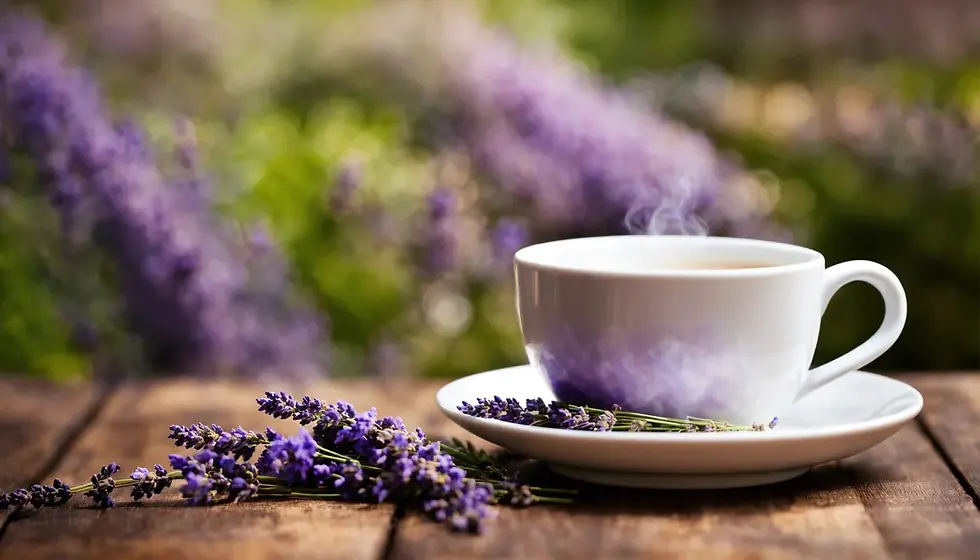
Below are some commonly used herbs known for their calming and balancing properties.
Chamomile — Gentle Calm and Emotional Softening
Chamomile is one of the most widely used calming herbs.
It is known to:
Reduce anxiety
Promote relaxation
Support sleep
Energetically, chamomile is often associated with softness and comfort — like being held.
Lavender — Peace and Nervous System Support
Lavender supports both emotional and physical relaxation.
It may help:
Reduce stress and tension
Improve sleep quality
Calm an overactive mind
Its aroma alone can begin to shift the nervous system into a more relaxed state.
Lemon Balm — Uplift and Emotional Balance
Lemon balm is known for its gentle uplifting effects.
It can:
Support mood regulation
Ease nervous tension
Promote a sense of lightness
It is especially helpful when emotions feel heavy or stagnant.
Passionflower — Quieting the Mind
Passionflower is often used for racing thoughts and restlessness.
It may:
Support anxiety reduction
Improve sleep
Calm mental overactivity
This herb is especially helpful for those who feel mentally overwhelmed.

Rose is often associated with the heart — both physically and emotionally.
It is believed to:
Support emotional openness
Soothe grief and sadness
Encourage self-compassion
Rose tea can feel like a gentle reminder to soften.
Creating a Tea Ritual for Emotional Balance
Herbal tea becomes most powerful when paired with intention.
Simple Tea Ritual
Prepare your tea slowly
Notice the herbs, the water, the warmth.
Set an intention
(e.g., “I am inviting calm,” “I am releasing tension.”)
Sip mindfully
Pay attention to the taste, temperature, and sensation.
Pause and breathe
Allow your body to settle.
This transforms tea from a habit into a healing practice.
Blending Herbs for Personalized Support
You can combine herbs based on your needs:
For relaxation: Chamomile + Lavender
For uplifting mood: Lemon balm + Rose
For sleep support: Passionflower + Chamomile
Start with small amounts and observe how your body responds.
A Gentle Reminder
Herbal teas are supportive — not a replacement for professional care when needed.
If you are experiencing ongoing anxiety, depression, or emotional distress, consider additional support such as therapy or medical guidance.
Holistic care works best when it is integrated.
Closing Reflection
Healing does not always require something complex.
Sometimes, it begins with something simple:
A cup of tea
A quiet moment
A breath
In that space, the body softens.The mind slows.The heart finds room to feel.
Sip slowly.Return gently.And allow yourself to be supported — one cup at a time. 🌿


Comments