Nervous System & Emotional Regulation: Returning to Calm in Everyday Life


There are moments when everything around you seems “fine”…and yet your body feels tight, your thoughts are racing, and you can’t fully relax.
This is not random.
It is your nervous system speaking.
From a holistic perspective, emotional regulation is not about controlling your feelings — it is about supporting your body so that your emotions can move safely and naturally.
Your nervous system is the foundation of how you experience calm, stress, connection, and safety. When it feels supported, your emotions become easier to process. When it feels overwhelmed, everything can feel intense or unpredictable.
Why You May Feel “On Edge” Even When Nothing Is Wrong
Your nervous system does not respond only to what is happening now — it also responds to what it has learned over time.
If your body has experienced:
Chronic stress
Emotional overwhelm
Trauma
Uncertainty or instability
…it may stay in a protective state, even when there is no immediate danger.
This can feel like:
Restlessness
Irritability
Racing thoughts
Difficulty relaxing
A constant sense that something isn’t right
Your body is not overreacting.It is trying to protect you.
Signs Your Nervous System Is Overwhelmed
An overwhelmed nervous system can show up in different ways.
Physical Signs
Tight chest or shallow breathing
Muscle tension
Headaches
Digestive discomfort
Fatigue or restlessness
Emotional Signs
Anxiety or panic
Irritability
Feeling easily triggered
Emotional numbness
Mental Signs
Racing thoughts
Difficulty focusing
Overthinking
Feeling disconnected
These are not flaws — they are signals.
How to Regulate Your Nervous System in Everyday Life

Regulation does not require drastic changes.It happens through small, consistent signals of safety.
1. Slow the Breath (Without Forcing It)
Your breath is directly connected to your nervous system.
Try:
Inhale gently through your nose
Exhale slowly through your mouth
Focus on making the exhale slightly longer
Even 2–3 minutes can begin to shift your state.
2. Ground Yourself in the Present Moment
When your mind is racing, bring attention back to the body.
Try:
Naming 5 things you can see
Feeling your feet on the ground
Touching something textured
Grounding brings you out of “what if” and into “what is.”
3. Use Warmth and Comfort
The nervous system responds to comfort cues.
Wrap yourself in a blanket
Hold a warm drink
Take a warm shower or bath
These signals communicate safety to the body.
4. Move Gently
You don’t need intense exercise to regulate your system.
Stretch
Walk slowly
Sway your body
Practice gentle yoga
Movement helps release stored tension.
5. Reduce Stimulation
If your system is overwhelmed, less is more.
Step away from screens
Lower noise levels
Give yourself quiet time
Regulation often begins with reducing input.
6. Co-Regulate with Safe People
Being around someone calm and supportive can help your nervous system settle.
Talk to someone you trust
Sit quietly with a loved one
Spend time in a peaceful environment
We are not meant to regulate alone.
Gentle Ways to Calm Your Body (Without Forcing It)
One of the most important things to understand:
You cannot force your body to calm down.
Trying to “make yourself relax” can sometimes create more tension.
Instead, focus on inviting safety.
Soften your breath instead of controlling it
Notice your body instead of judging it
Offer comfort instead of pressure
Think of regulation as a relationship — not a command.
When You Feel Overwhelmed: A Simple Reset Practice
Pause.
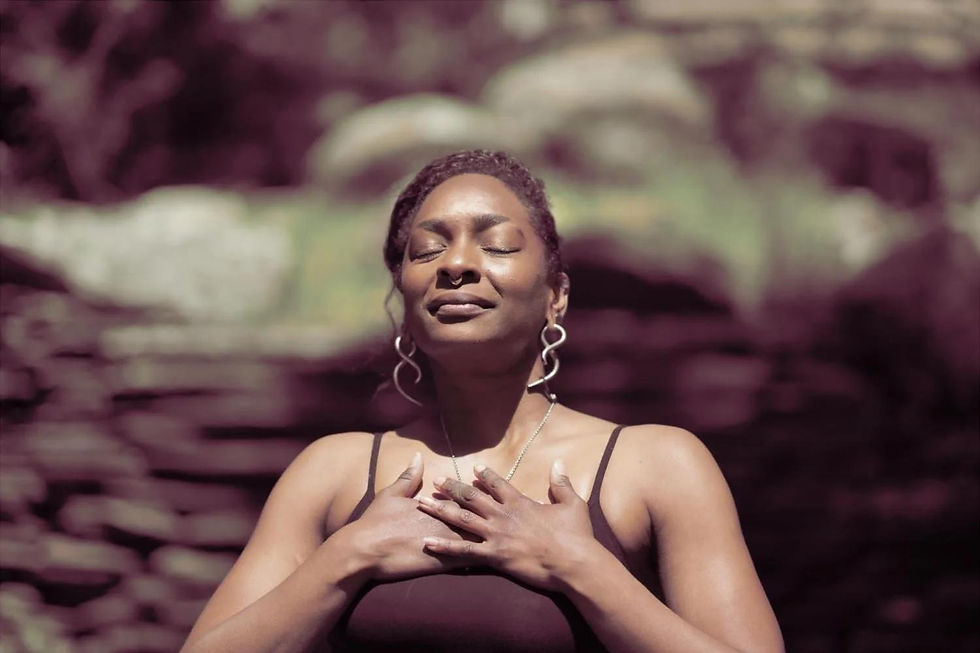
Place one hand on your chest and one on your belly.Take a slow breath in.Exhale gently.
Say to yourself:“I am safe in this moment.”
Repeat a few times.
This small act can begin to shift your internal state.
A Closing Reflection
Your nervous system is not working against you.It is working for you — even when it feels uncomfortable.
You are not “too sensitive.”You are responsive.
And with gentle, consistent care, your body can learn safety again.
Not through force.Not through pressure.
But through patience, softness, and presence.
Come back to your breath.Come back to your body.Come back to yourself. 🌿


Comments